What an AI Film Prize Can’t Tell You


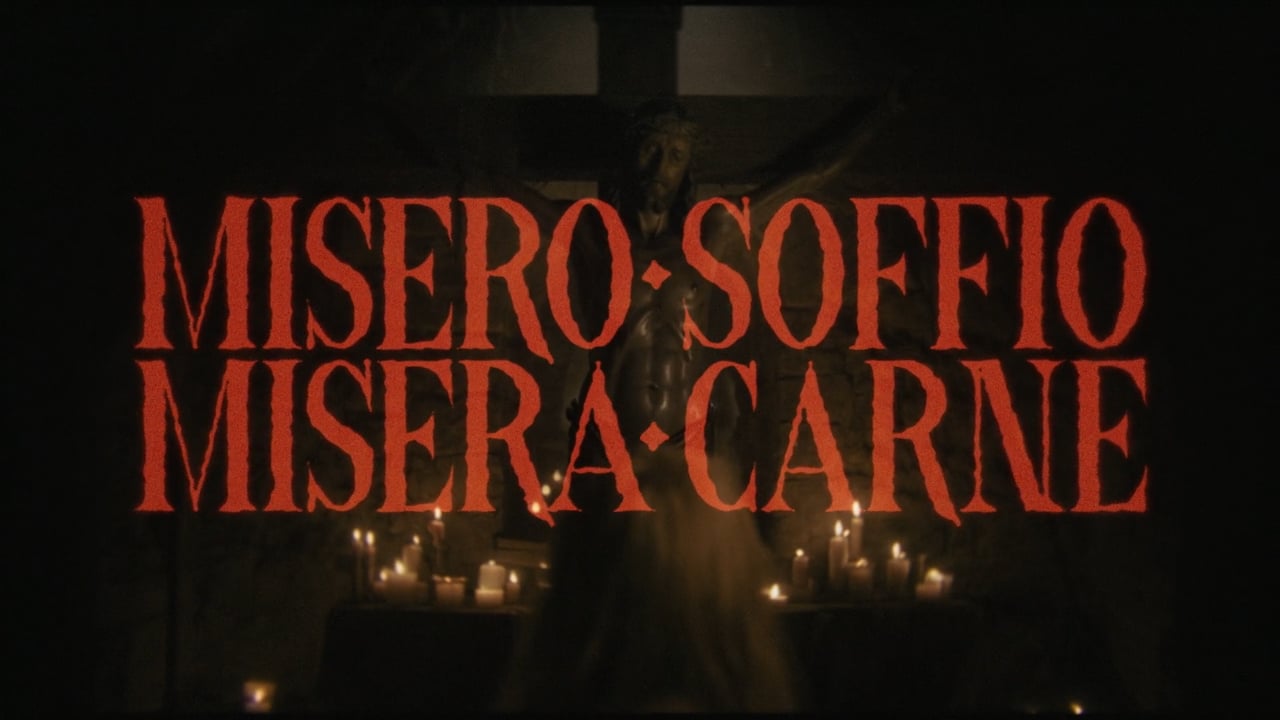
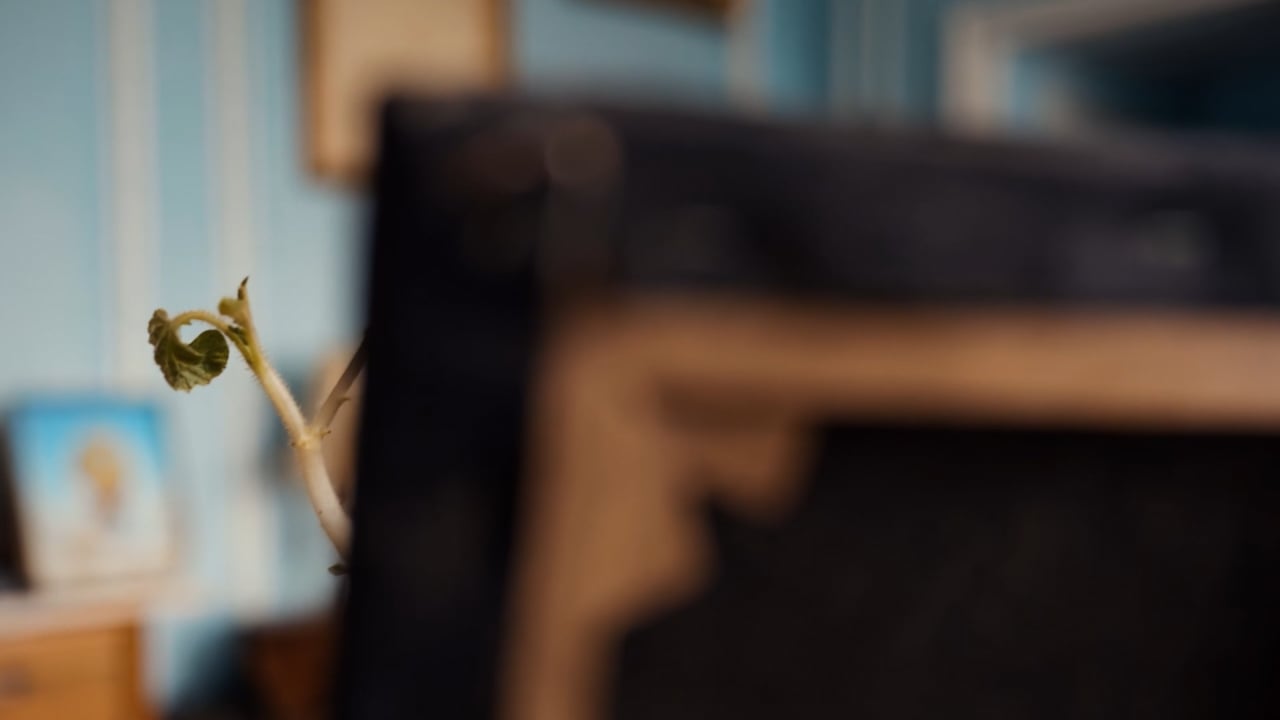
The title of Stefano P. Testa’s plague film appears in red above candlelight. A small green sprout, in a room with a big dark screen, gives us a way into Anna di Luce’s Lady Potato. A festival database can put two works together like this and return the same information for both. Their titles resolve to a year, a runtime and a list of credits. A critic gets to ask why those two small images do such different work.
Look at two films that circulated in 2026. Lab 80 lists the Golden Noise award at the Bucharest AI Film Festival for Stefano P. Testa’s Miserable Breath Miserable Flesh. Set amid plague in the Italian Alps, it asks how isolation and suspicion rearrange daily life. The notes from its producer describe repeated gestures as a way of showing the community disintegrate.
Testa’s project page credits the band Cancervo for the music and Lab 80 film for production. Lab 80 traces the soundtrack back to Cancervo’s “Zambel’s Goat,” a piece rearranged for the film. There is a relationship here worth keeping in the record. A film set in the Italian Alps uses music by a band whose name refers to a mountain in the Valle Brembana. The heavy sound has its own contact with the place depicted onscreen. The Bucharest prize confirms that someone saw the film. The soundtrack credit gives the next viewer something to listen for. Testa’s filmography and screening record and Lab 80’s production notes.
The Italian Cineforum federation also publishes a production account and the official trailer. That record makes discussion possible even for someone who missed the screening. As with any trailer, the editor has made a separate decision about how much of the full work to reveal. The same courtesy belongs in criticism. Name which version you saw and say where in it the image does the work you are describing. Cineforum’s production account.

Anna di Luce’s Lady Potato starts with beauty standards and the distance between a person and the image they are expected to present. Its joke has teeth. The title character gives the film a way to push an idea about the gaze into the absurd before returning to the question of who gets to belong.
Di Luce’s upload lists the image and motion tools separately from the editing and sound effects. That list is worth looking at once the film has given the viewer something to ask of it. The small sprout and the much larger edge of a screen have an almost comic imbalance. A body associated with the soil is sitting beside a surface built to display an image. The joke does something for the material in the frame before it becomes an argument about beauty. A technical credit can now help a reader ask which choices came during the edit and which were already in the image.
The record someone can use later
A festival write-up can preserve a real difference of opinion about the work. Lab 80 describes the film’s use of repeated gestures. One viewer may think that those gestures make fear ordinary. Another may see an aesthetic so controlled that the comfort of the frame dulls the subject. They have an image to disagree about. A badge offers considerably less hold on that kind of conversation. A caption, a credit and a few sentences about what the work does can outlast a prize graphic.
For an example from our own archive, see NAKID’s coverage of War Forever. The cover image for this essay comes from that NAKID Pictures film.