
BETWEEN TRUTH AND POLISH, BUILDING A NEW VISUAL LANGUAGE ACROSS PHOTOGRAPHY, ART, AND EMERGING NARRATIVE WORK.
Charis Kirchheimer’s work does not chase attention, it creates it. It earns it through restraint, intention, and an instinct for knowing exactly when to press the shutter. There is a quiet authority in her images. Frames feel deliberate without being rigid, intimate without being intrusive. You can see the imprint of her early years shooting nightlife and fast moving environments where control is limited and instinct is everything. That background shows up not as chaos, but as clarity. She learned early what matters in a moment and what can be left behind.
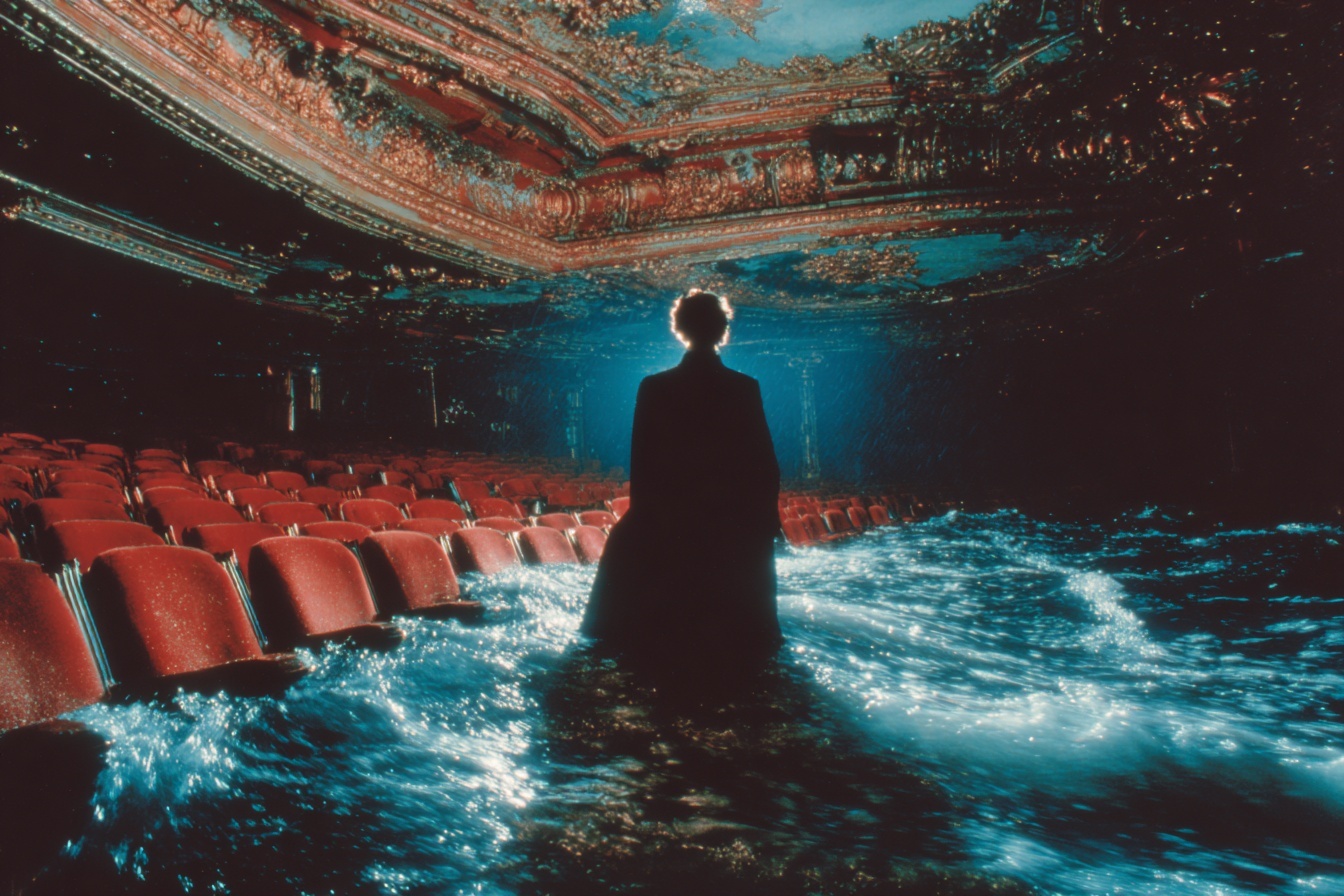
Her photography lives in the tension between polish and truth. Fashion sensibility meets documentary honesty. Beauty is present, but never hollow. Even in highly styled work, there is always a human undertone pushing through the surface. The images feel cinematic, not because they are dramatic, but because they feel like stills pulled from a larger story you were never fully shown. There is always something just outside the frame, and that absence is intentional.

Beyond image making, Charis is expanding into a broader creative ecosystem. Through Lumina Glow, she is building a platform that bridges art, wellness, and visual storytelling, treating creativity as both expression and experience. At the same time, her personal art practice continues to evolve alongside her commercial shooting and writing, forming a multi lane creative identity that is less about titles and more about authorship. She approaches tools, including digital workflows and AI, as instruments rather than ideologies. They serve the vision, not the other way around.
Looking forward, Charis is also beginning to bring this expanded creative perspective into motion and narrative driven work. Through future collaborations with NAKID PICTURES, she is exploring new ways to translate her visual language into longer form projects that combine image, story, and concept. It is a natural progression. Her work has always hinted at narrative. Now she is giving it room to breathe.
NAKID is naming Charis Kirchheimer our Artist of the Week because her work exists beyond trend cycles and platform metrics. It is built with patience, taste, and a clear point of view. In the interview that follows, we dig into her process, her evolving business ventures, and how she is thinking about the future of image making as the lines between art, technology, and storytelling continue to blur.

EXCLUSIVE INTERVIEW /. CHARIS KIRCHHEIMER
For those discovering you through NAKID, who is Charis Kirchheimer at her core as an artist?
At my core, I am someone who follows the pull of an image before I understand it. I chase feeling first and logic later. My work always circles around emotion, memory, and the strange beauty hiding in the familiar. I am an observer, a storyteller, and a little bit of a troublemaker with how I bend reality to fit my world.
What moment or experience first pushed you toward photography and visual storytelling?
I started shooting nightlife when I was young. It was fast, chaotic, and full of characters. I think that environment taught me to pay attention. It also gave me the thrill of capturing something real before it disappeared. That spark never went away. It grew into a full career once I realized I could tell deeper stories with a camera.

How did your early work in nightlife and event photography shape the way you shoot today?
Those nights trained my eye to react fast. You learn to read people, light, and tension in seconds. I still use that intuition today. Even in staged work, I look for the moment inside the moment. Something unpolished that feels alive.
How would you describe your visual aesthetic and the emotional tone you chase in your print work? Your new book is so amazing visually, so what’s that process like?
My aesthetic sits between realism and a quiet surreal pull. I chase images that feel like memories you’re not sure you lived. I build emotion through color, mood, and subtle tension. With What We Left in Frame, I spent a lot of time creating Sequences that read like fragments of memory. It’s slow, intentional work that still leaves room for intuition to take over.

What themes or ideas do you find yourself returning to again and again?
Transformation, isolation, longing, and the beauty inside things people overlook. I like to explore what sits under the surface. The emotional residue on a face or a space. I also return to the idea of the void. Not as emptiness, but as possibility.
When you begin a new piece or series, what is your internal starting point?
It usually starts with a feeling. Something small and personal that grows into a visual. Sometimes it is a sentence in my head. Sometimes it is a color or a character. The idea builds around it like a shell.
Your imagery blends rawness with elegance, and realism with digital experimentation. What guides your balance between these worlds?
I listen to the image. Some frames want to stay grounded. Others want to lean into fantasy. The balance comes from instinct and trust. I never want digital work to replace emotion. It should amplify it. If the soul of the image gets lost, I pull back.

How do digital tools, AI, or post-production techniques influence your creative direction, and how have they helped where traditional tools couldn’t?
AI lets me create worlds I used to only imagine. It helps me explore narrative, design, and symbolism with more range. It does not replace photography for me. It expands it. Traditional tools shaped my foundation. Digital tools give me room to build beyond it.
What’s the most important element in your image making?
Emotion. Everything else is structure. Light, composition, and mood are the bones. The feeling inside the frame is the heartbeat. If that part is missing, the image falls flat no matter how beautiful it looks.

What creative challenges have pushed you the hardest recently, and how did they evolve your work?
Shifting into hybrid work was a big challenge. I had to unlearn the idea that photography and digital art live in separate rooms. Letting them merge changed my perspective completely. It helped me loosen up, take risks, and explore concepts that were never possible before.
Is there a moment or project that changed how you see yourself as an artist?
My book did that. Seeing years of work come together made me realize my visual voice had more consistency and depth than I gave myself credit for. It showed me the value of trusting my instincts.

How do you stay connected to authenticity in an era where aesthetics can overshadow meaning?
I check in with myself often. If a piece feels empty but pretty, I scrap it. Authenticity for me comes from curiosity. If I am not exploring something honest in the work, then it does not belong in my archive.
Who or what outside of photography inspires your style and worldview?
Nature, music, old stories, and human behavior. I pay attention to how people move through grief, joy, longing, and desire. I study color in the real world. I get inspired by plants and weather and the way light changes a room. AI also inspires me because it mirrors imagination without limits.
What do you feel is missing in visual culture right now that you try to bring with your work?
A sense of emotional honesty. I think the world is saturated with pretty images that say nothing. I want to bring depth, tension, humor, and a touch of strangeness. Something that makes people pause instead of scroll.

How do you see your work contributing to or shifting the creative landscape?
I think my work sits in the space between photography and imagination. The more I explore that intersection, the more I hope it gives others permission to build their own worlds without worrying about strict definitions.
What new mediums or ideas are you excited to explore now that you are expanding into AI editorial work and short films?
I am excited about cinematic storytelling. I want to explore movement, voice, and narrative structure. Short films open a new path for me. They let me build characters and worlds that live beyond a single frame.
If you could collaborate with any artist, brand, or filmmaker right now, who would it be and why?
Someone who values world building and emotional depth. A brand or filmmaker that leans into surreal realism. Anyone who enjoys taking creative risks and understands the power of mood.

What is the dream project you have not done yet but know you will?
A large scale editorial film series that blends fashion, surrealism, and mythology. Something that feels timeless and modern at the same time.
What advice do you have for emerging photographers trying to find their visual voice?
Give yourself time. Your voice is not found in a single project. It shows up through repetition and curiosity. Shoot often. Experiment. Pay attention to what you return to. That is your voice forming.
What do you hope people feel or take with them after experiencing your art? What should we watch for next?
I hope people feel a sense of recognition, even inside the surreal. I want them to feel moved, confused, or seen. Maybe all three. Next, I’m diving deeper into AI fashion films and narrative work, and building out new worlds that blend photography with cinematic storytelling. I also started a beeswax candle line called Lumina Glow, which is basically art you can burn. It’s another extension of my universe, just in a different medium. You can find it at LuminaGlow.shop.


Leave a Reply