
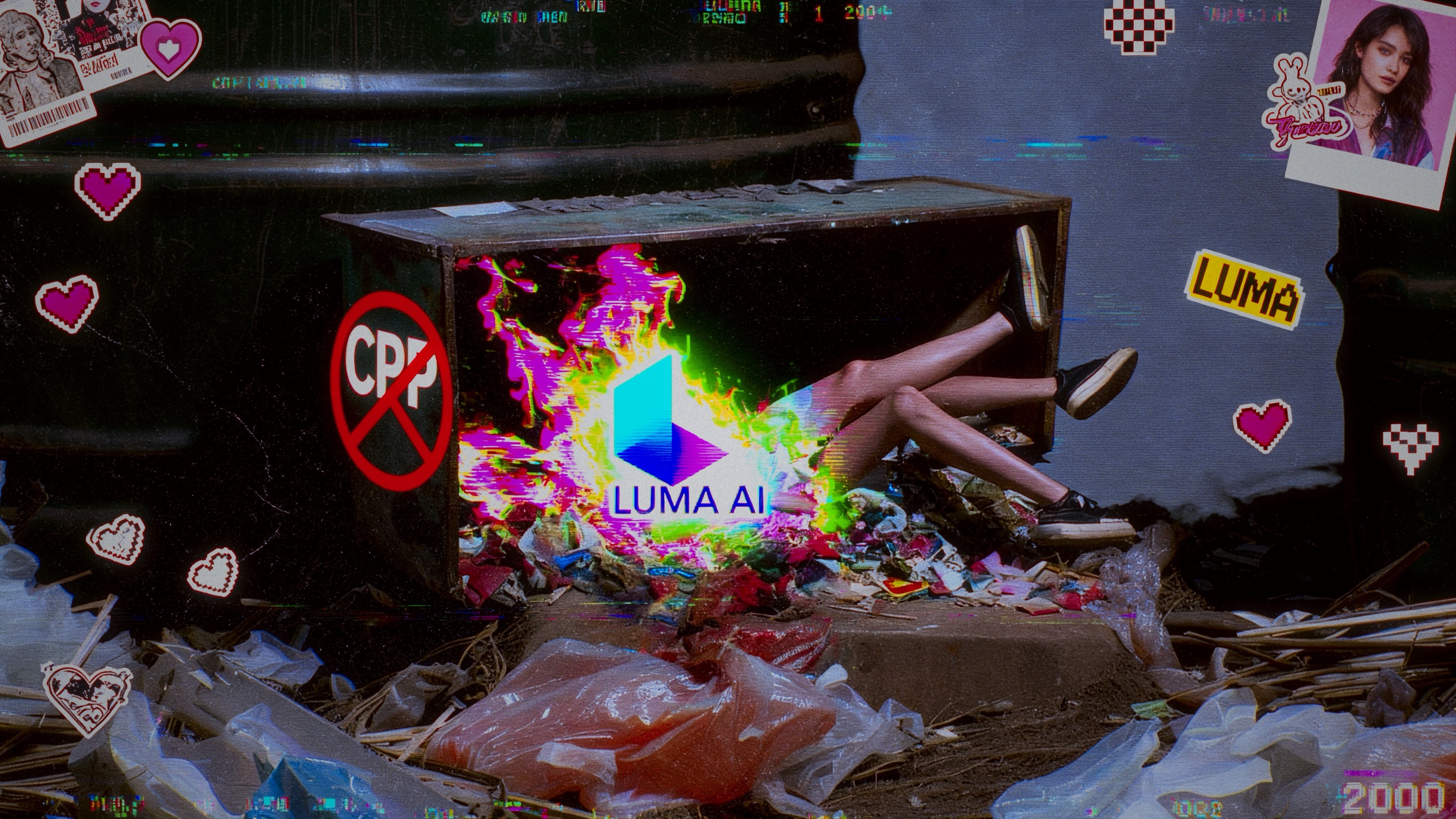
The dream started with open doors and wild chaos, Luma Labs tossing Dream Machine into the world like a Molotov cocktail of pixels. June 2024: suddenly, anyone with Wi-Fi and a pulse could spit cinema out of their laptop. Luma was one of the first to drop a 3D training data–led model and, at the time, it was genuinely good, superior to Pika, Runway, and breaking out just before Kling and MiniMax made their Western market debut. Twitter, TikTok, Reddit lit up with surreal animations of cats, gods, girlfriends, and psychedelic hellscapes. It was raw, fast, free. For a moment it felt like maybe AI art could actually be punk, not polished. It gave a lot of us the delusion that maybe Hollywood 2.0 wouldn’t rear its head with AI, that things could be different this time, business-wise. A chance to actually break free creatively.
But the glow didn’t last. Within months the free-for-all curdled into velvet ropes. Dream Machine capped its free runs, then sliced its offerings into tiered subscriptions. Suddenly the playground had a cover charge, and slowly but surely, that paywall permeated everywhere. More telling was the rise of the “featured creator” class, cherry-picked artists gifted early access and spotlighted as official partners while everyone else, the messy masses who made the platform go viral in the first place, got pushed into the waiting room to squabble over scraps of server time. And it’s worth noting: not once did any of these companies think to hire creators outright, to make real partnerships. It was easier to write off free credits as a marketing expense and reap the hype without actually paying the people who generated it.
The pattern isn’t new. Runway did it with Gen-2, though to their credit they’ve stayed closer to their mission of supporting creators, offering grants, continuing their CPP, and opening new avenues for artists. Midjourney axed its free tier ages ago, burying everything in Discord hierarchies before migrating to the web, but they never pretended to have a partner program in the first place. The list goes on. Every AI generator has pulled some version of this move: hook the community with free chaos, ride their output into investor attention, then slam the gates shut and curate until what’s left looks like a sanitized showroom.
The power imbalance is glaring. Who gets crowned as “partner”? Not the underground weirdos who stitched together glitch masterpieces in their basements. It’s the artists who fit neatly onto a brand’s mood board, safe enough to flash in a VC deck and willing to play along. Innovation turns into conformity. Which is odd, because isn’t the whole point to make money? So why alienate the very artists constantly spreading your product? With such a massive Gen-AI market still untouched, what’s the rush to shut doors and polish optics? No good answers, just territorial moves, emotional unrest, and less communication. And the ones who pushed the medium into strange new places get trimmed away until everything looks glossy, predictable, beige.
The silence around it is worse. No public criteria, no transparency, no notice when people are cut. One day you’re in, the next day your runs are throttled, your credits locked, your name erased from press blasts. Forums fill with paranoia: “Did they cut me because my work’s too weird? Too small? Wrong connections?” And paranoia is poison to a creative community.
And the paranoia is justified. Luma’s own CPP page now spells it out: a “minimum 5,000+ engaged followers” for eligibility, plus perks like 200k monthly credits, biweekly partner calls, early feature access. That’s not grassroots, that’s boutique. A cue pulled straight from the influencer economy. On Reddit, one user wrote: “I had 20k credits banked. Now I can’t use them unless I pay $30 a month. That’s not community, that’s a hostage situation.” Others posted screenshots: “Video generation is only available for subscribers.” Some celebrated invites with slick unboxing reels while others woke up quietly iced out. The split is real.
I know this firsthand. I was in Luma’s Creative Partner Program for over a year. I posted about them when they dropped new models, stress-tested features, helped build visibility. When they started shuttering the CPP and courting a smaller private roster, it didn’t bother me at first. Every company has a right to make decisions and stand by them, letting the market decide. If people think it’s worth it, they’ll survive. If not, well, we’ve seen what happens with models like LensGo. But then I tried to use my banked credits. I had 60k. I couldn’t use them without paying for a subscription plan. Those credits were earned through promo work and they just went dark. Luma’s own docs confirm it: top-up credits only work on paid plans and go dormant if you switch to Free. That’s not semantics, that’s a shift in the deal. And it’s the kind of move that burns trust in a way no PR campaign can patch.
Sure, exclusivity has defenders. A tighter roster means cleaner marketing, fewer bugs, deeper investment in a chosen few. Some artists want that paycheck, that stability, that recognition. And that’s fine. The issue isn’t restructuring, it’s the ice-out. Let’s not lie to ourselves: this is blood traded for polish. The wild openness that electrified people for 18 months is now a survival play for companies under pressure from behemoths like Google, and for creators trying to find footing on ground that shifts minute to minute, fenced off by algorithms and PR firms.
If Luma, or any of these platforms chasing exclusivity, wants to play this game, fine. But stop pretending it’s about “community.” Publish the criteria. Give people notice. Offer a way back in, or don’t. Just don’t sell openness and then lock the door once the house is full. Creative trust isn’t renewable. Burn it, and you don’t just lose users. You suffocate the very art you claim to pioneer. And lest we forget: these are your customers. They can talk louder and faster than any brand campaign, because word of mouth is instant now. One thing you don’t want to do is piss off the very people you’re trying to sell to, not when dozens of other models are waiting in the wings to cut you from the game.

© 2025 NAKID. Original artwork created for editorial commentary, non-commercial, critical, and educational use.